
Most companies can't see the AI agents already running inside them. Almost 8 in 10 use AI agents, but only about 1 in 4 has any governance policy for them. The fix isn't another tool. It's a map: find every agent, write down what each one can touch, and name who owns the risk.
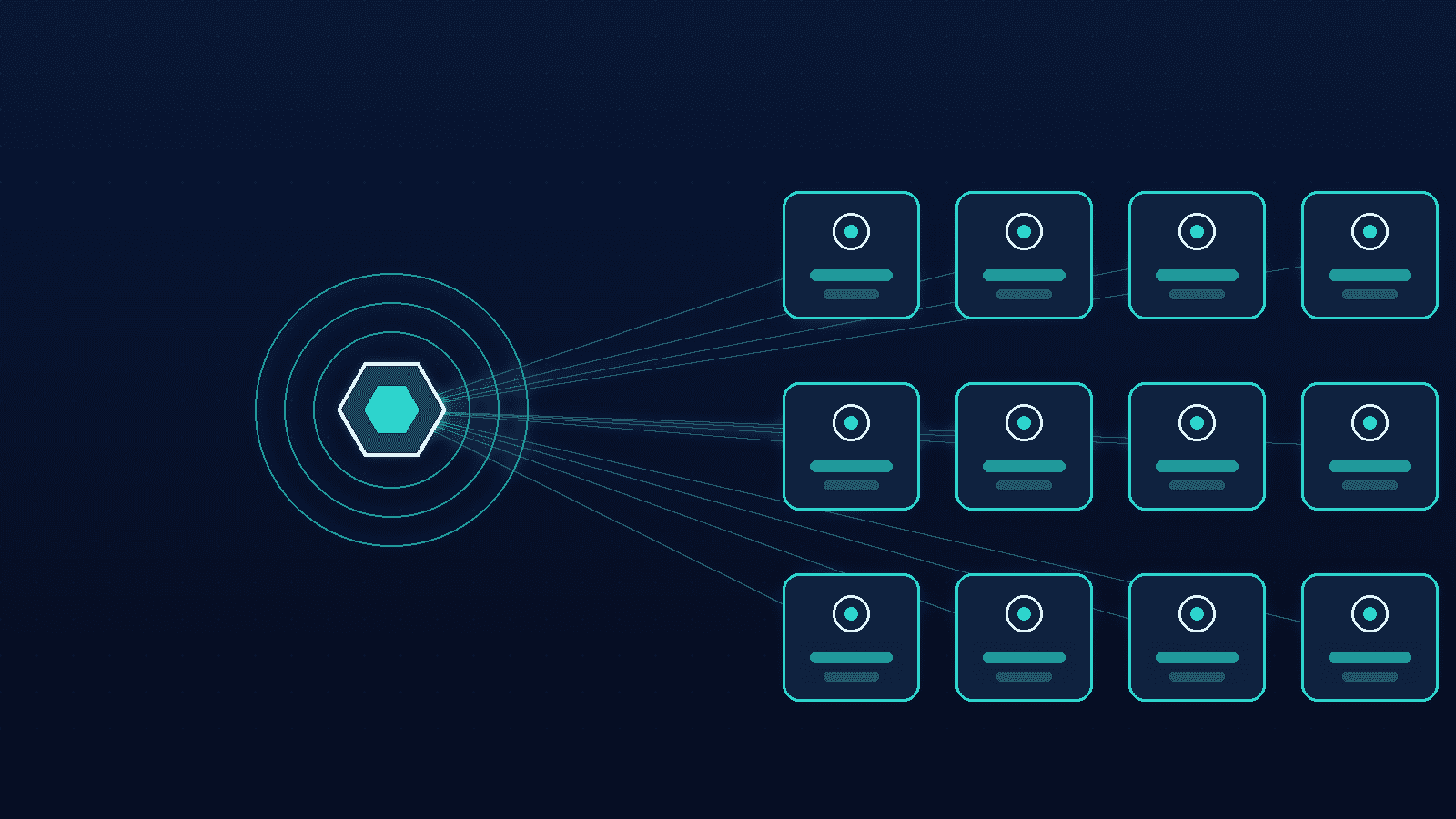
Picture a Monday. Over the weekend, an AI agent opened twelve accounts inside your systems. No login alert. No malware. Just a tool someone in marketing or sales wired in last month, quietly doing more than anyone signed off on. That's not a hack. It's the most common AI risk in business right now, and it's hiding in plain sight.
Why can't you govern what you can't see?
Nobody snuck these agents in. Someone spun one up because it saved a couple hours. It worked, so it stayed. Now it's running, touching real data, and you've never laid eyes on it.
When one of those invisible tools lands in the middle of a breach, it isn't a rounding error. Shadow AI adds about $670,000 to the cost of an average breach. It takes longer to spot and spreads further before anyone notices. The damage comes from the part nobody was watching.
This isn't people going rogue. It's people moving fast for the right reasons, grabbing whatever's in front of them. They just can't see what they turned on.
How big is the shadow AI gap?
Step back and the trend is hard to miss. Almost 8 in 10 companies already use AI agents. About 1 in 4 has any governance policy for them. Adoption took off. The rules are still lacing up their shoes.
Here's the number that sticks. Last year, 88% of companies had a confirmed or suspected AI agent security incident. That same year, 82% of executives said they're confident their current policies have them covered. Same companies. Both true.
You can't fix what you're sure isn't broken. That gap, between we're fine and we got hit, is exactly the size of what leaders can't see.
What can you do this week to find ungoverned agents?
You don't need a budget or a six-month project to start seeing. You need a map, and the first moves don't even need IT.
Ask every team lead one question: what AI tools are you using that we never approved? Make it safe to answer. You're drawing a map, not hunting people.
Pull the expense reports. AI subscriptions on personal and team cards are your shadow inventory, sitting in plain sight.
For each agent you do know about, write one line: what can this touch? Can't answer? That's your first gap.
Take the tool people keep begging for and say yes fast. A quick approval is the cheapest control you have, because it pulls the work back where you can watch it.
Put a name next to owns AI risk before an incident picks one for you.
If you want the map drawn for you, the free self-assessment at verifiedagents.ai runs all five questions in about ten minutes and shows you what you can't see right now.
Where does Zero Trust fall short for AI agents?
Zero Trust runs on one line: never trust, always verify. But it quietly assumes you can do two things first. List every identity. Check each one. Agents break that before you start.
You can't verify an agent you don't know is there. And agents multiply faster than people. They spin up helpers and inherit access nobody handed them on purpose. The clean list of identities Zero Trust counts on is the thing you don't have.
So always verify has to back up a step, to always discover. Keep a live list of every agent and what it can reach. Then put least privilege on top, so the ones you can't see can't do whatever they want. In my framework, that's the first two questions: who are you, and what are you doing. Most leaders can't answer either one for their agents yet. The map just doesn't exist.
Ask your team today for a list of every AI agent running with company access. If the honest answer is nobody can hand it to you, that's your start.
Key takeaways
You can't govern what you can't see. Discovery comes before any policy.
Shadow AI adds about $670,000 to the average breach and hides longer than other gaps.
88% of companies had an AI agent incident last year. 82% of executives felt covered. The gap is what they can't see.
Start with a map: survey team leads, pull expense reports, and list what each agent can touch.
Say yes faster to good tools. Quick approval drags the work back where you can watch it.
For AI agents, always verify has to become always discover first.
FAQ
What is shadow AI?
Shadow AI is any AI tool or agent running inside a company without approval or oversight. Someone wires it into real work, it saves time, and it keeps running where leaders can't see it.
How much does shadow AI add to a data breach?
About $670,000 to the cost of an average breach. It takes longer to detect and spreads further before anyone notices.
Do most companies have AI agent governance?
No. Almost 8 in 10 companies use AI agents, but only about 1 in 4 has any governance policy for them.
What's the first step to governing AI agents?
Draw a map. Ask team leads what they're using, pull expense reports for AI subscriptions, and write down what each known agent can touch.
How is Zero Trust different for AI agents?
Zero Trust says never trust, always verify. With agents you can't verify what you can't see, so it has to start with always discover, a live inventory of every agent and its access.